I Feel Good?
-
Alandy Beanes de Azevedo
- 24 Nov, 2025
- 03 Mins read
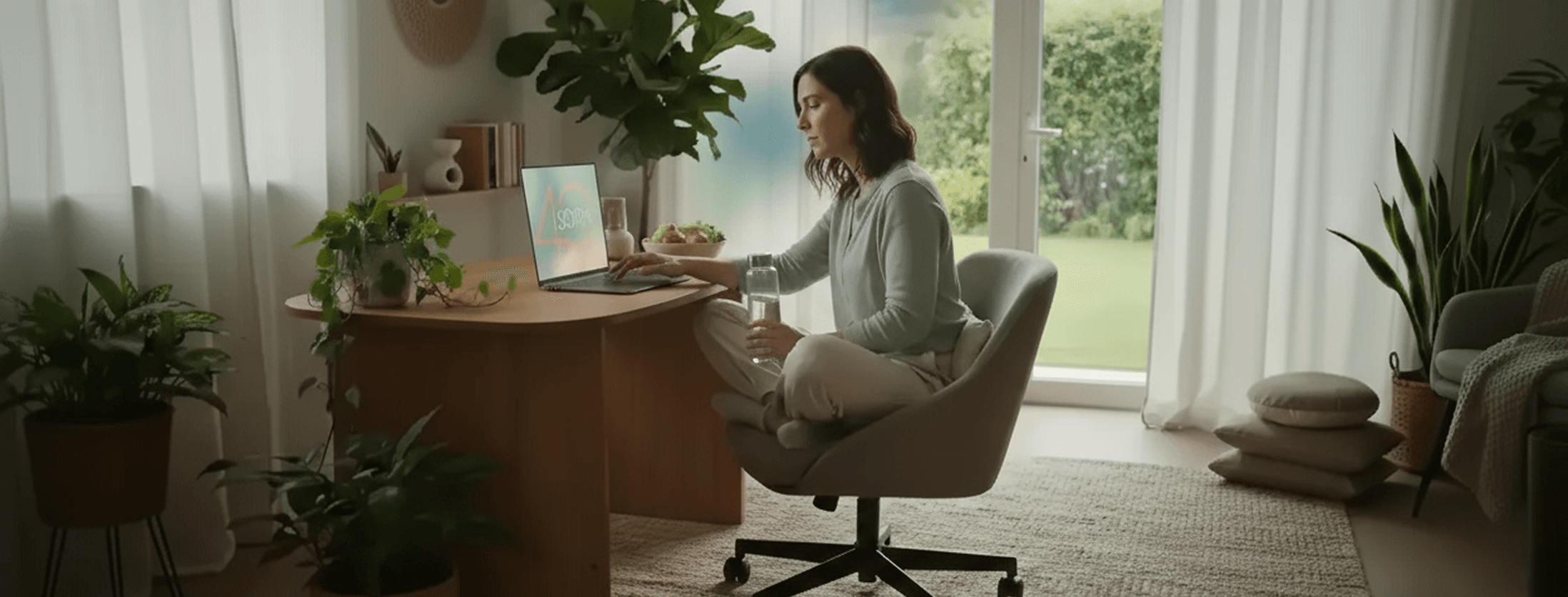
Nowadays almost all our interactions seem to bring us to a touchpoint with technology in our daily lives.
Need some groceries? Some delivery app could help you.
Want to go out with a friend? Sync up with whatsapp.
A client is searching for you? Google meet in one hour.
You're missing your mamma? Talk with chatGPT about your feelings.
The importance of incorporating wellness principles into human experiences and their digital interfaces has moved from the idea of a luxury thing to a daily necessity.
When designing solutions, we must prioritize functionality but also see the interface as a support that interacts with users’ mental, physical and emotional wellbeing.
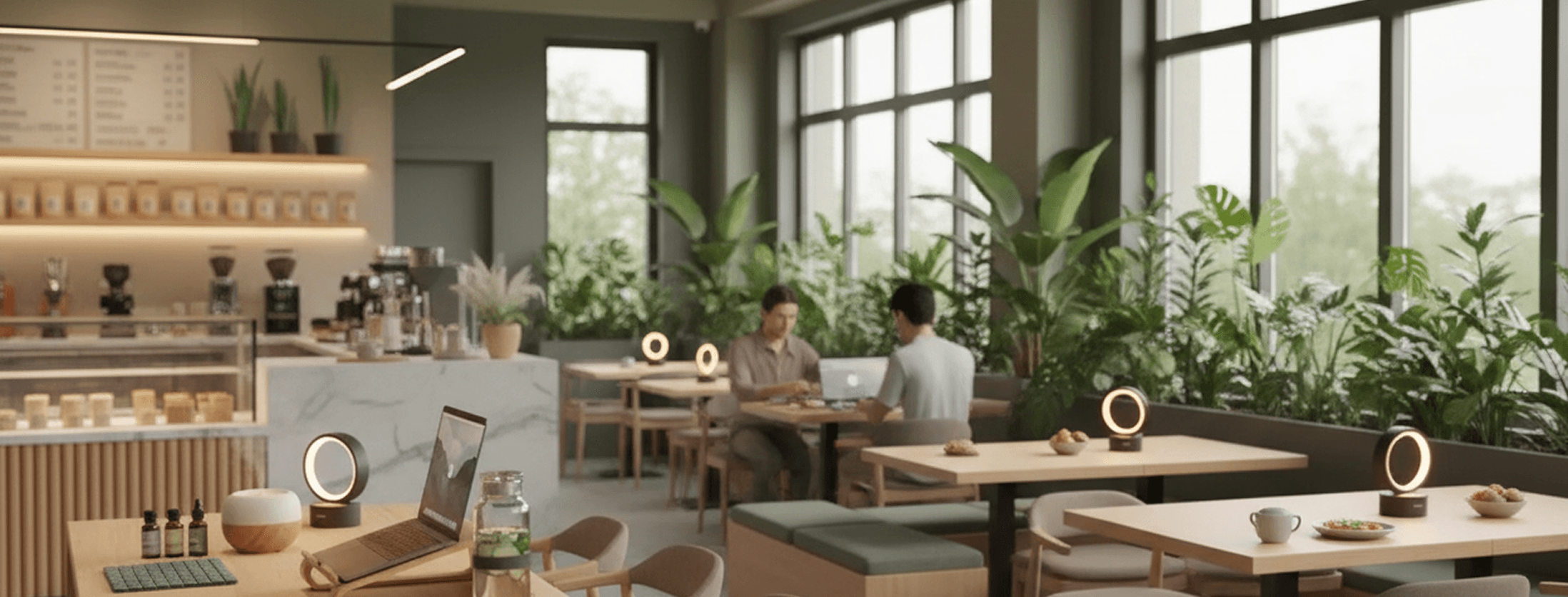
Why does wellness in software development matter?
In our daily lives we are exposed to excessive screen time, cognitive overload and digital stress. These are recurrent concepts that we’re suffering all the time nowadays.
They’re just some of the growing concerns that could be linked to poor design and interactions. It’s essential to notice that:
- Applications are never neutral, they create feelings in the user
- Interfaces can impact user anxiety, productivity, sleep quality and even self-esteem.
- Design that prioritises well-being helps create sustainable and positive interactions, fostering loyalty and genuine trust with users.
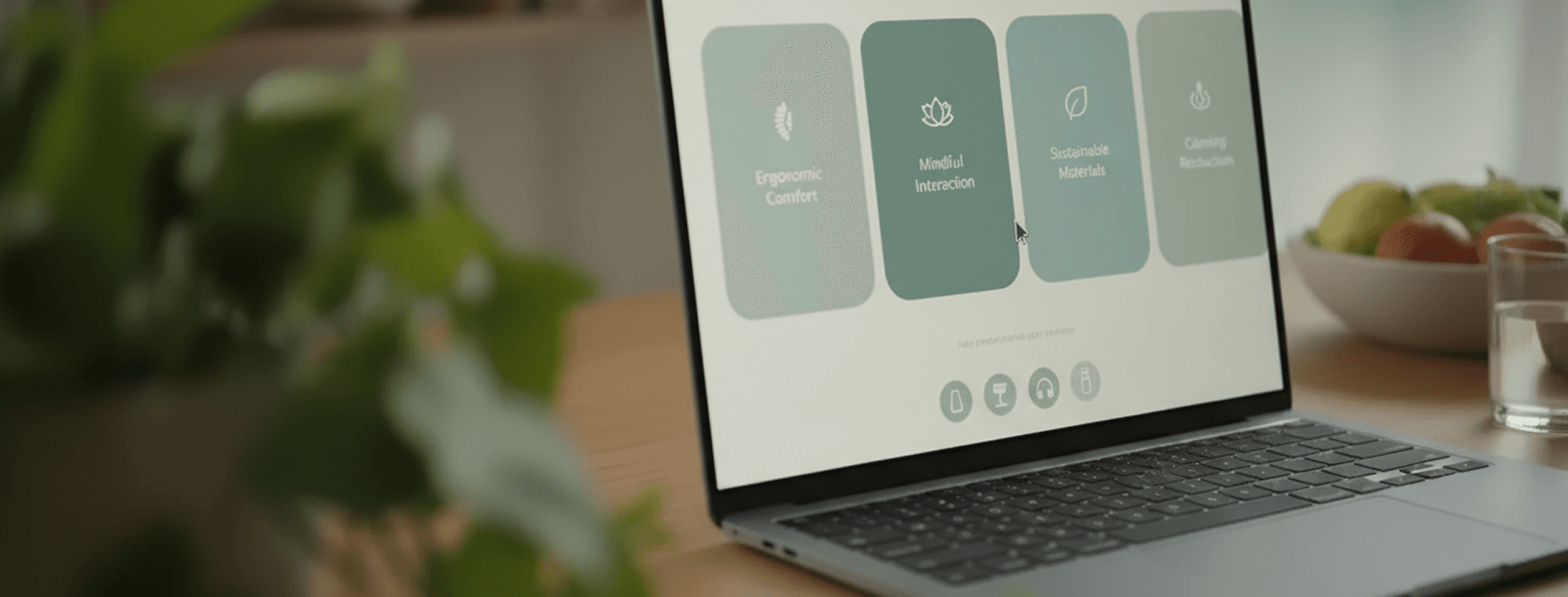
Check some key Wellness Principles for human interaction
A Practical integration of wellness principles into products design should consider:
- Simplicity & Clarity: Clean layouts, intuitive navigation and minimal distractions help reduce cognitive overload and stress. For example, clear buttons and simple task flows lower friction and anxiety.
- Calming Visuals & Colours: Soothing colour palettes (soft blues, greens, neutrals) and gentle animations can create a calming environment. Medical and wellness apps often avoid harsh contrasts and overstimulating colours.
- Customisation & Mindful Controls: Allowing users to tailor notifications, switch to dark mode or set screen time limits supports healthy digital habits (e.g., Instagram's usage reminders, Google’s Digital Wellbeing tools, Apple's Screen Time).
- Intentional Friction: Sometimes, adding brief pauses or prompts (e.g., “Are you still watching?” on Netflix) encourages users to check in with themselves and prevents binge or compulsive behaviors.
- Accessibility & Inclusion: Colorblind-friendly palettes, larger fonts, tactile feedback and support for screen readers ensure well-being extends to every user, including those with disabilities.
- Empathy & Positive Messaging: Using encouraging, non-judgmental language and friendly icons/themes helps users feel comfortable and be respected.
- Shame-resistant: Reward and behave are more like with empowering, not by punishing, could lead to better user experience
Practical Examples to Inspire Better UI Experiences
Meditation apps like Headspace and Calm demonstrate how soft palettes, simple icons and guided feedback reduce anxiety and foster mindfulness with every interaction, turning the app itself into a sanctuary from digital chaos.
Wellness dashboards that highlight progress (not perfection), using motivational statistics and streaks gently, help users remain engaged without guilt or stress.
Health tech platforms focus on inclusive design — offering adjustable fonts, dark modes, and even haptic feedback to ensure a positive, empowering experience for all users.
Some real cases embracing Wellness Principles
| Software | Wellness Features & Design Approach | Image |
|---|---|---|
| Google Digital Wellbeing | Built into Android; allows users to track app usage, set limits, and schedule downtime, with clear, non-intrusive notifications. | 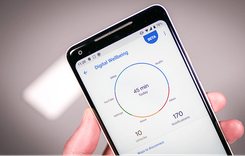 |
| Headspace | Simple layouts, soothing earth-tones, and user-friendly guided meditations. Progress screens motivate but never pressure. Designed for calm and focus. | 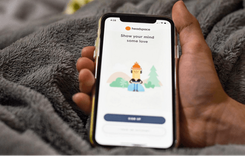 |
| Calm | Minimalist design, gentle animations, and a muted palette. Integrates breathing and relaxation exercises into the interface flow. | 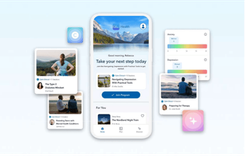 |
| Apple Screen Time | Offers detailed usage analytics, app restrictions, and a “Downtime” mode. Design elements are calming and non-confrontational, reducing potential stress. |  |
| Zombies, Run! | Uses gamification and narrative storytelling to encourage exercise in a fun, non-threatening manner, fostering engagement without pressure. |  |
| Features daily reminder notifications to help users manage screen time, supporting digital wellness directly in the UX. | 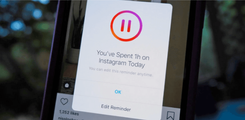 |
Takeaway for Designers
Embedding wellness principles isn’t a one-off project—it's a guiding philosophy.
It’s a commitment to accessibility, empathy for the user’s mental and physical state and the understanding that digital tools’ influence on well-being.
As creators, designers and tech leaders, a good starting point should be to:
- Audit your product for cognitive load
- Control emotional tone
- Check for accessibility gaps
What a wellness-centric design teaches us is clear:
Let’s Uplift and empower users by crafting functional, beautiful and supportive digital products.

This article is a collaboration from SORINTwellness and HCD, soon others regarding human centrality and its wellbeing will be here too. Stay Tuned!